
 EN
EN
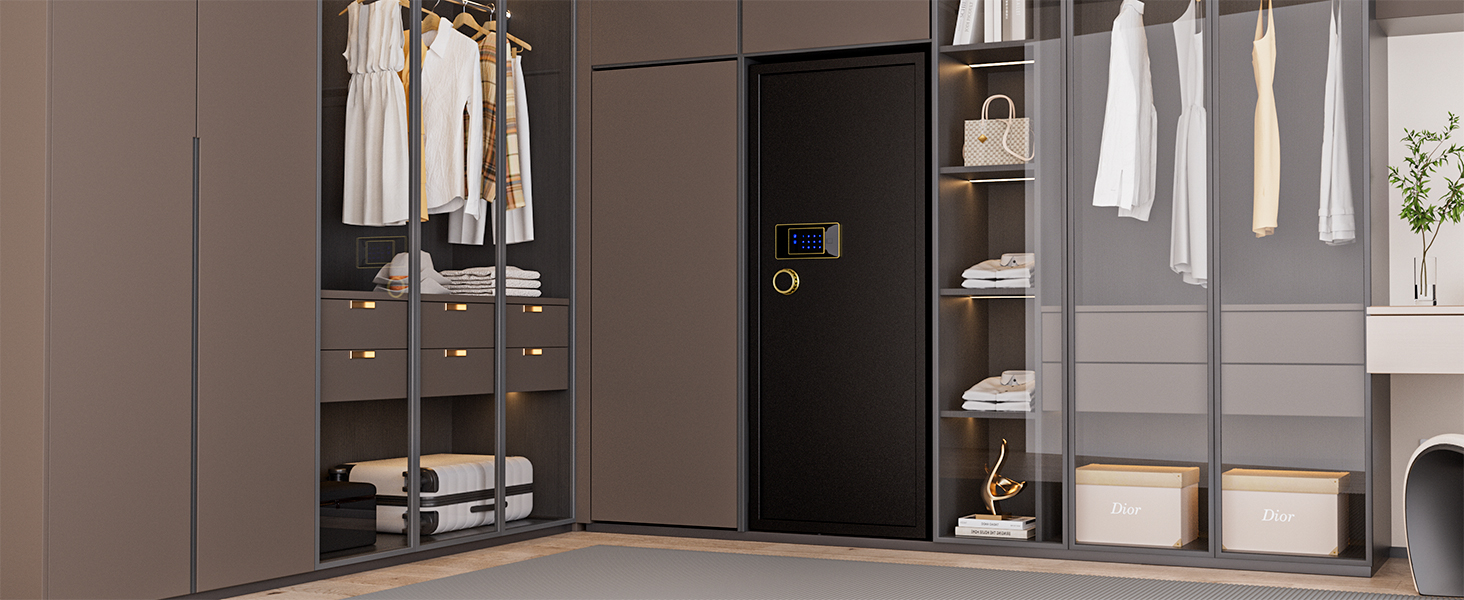
Why High-Security Safes Are Essential for Protecting Valuables
Safeguarding Irreplaceable Items With Certified Secure Storage
Secure safes offer real protection for family treasures, important papers, and precious digital stuff that just can't be duplicated anywhere else. Regular storage boxes simply don't cut it when compared to high security models that actually pass tough tests like UL Residential Security ratings (TL-15/TL-30). These standards mean the safe has to hold up against at least 15 minutes of assault from power tools including angle grinders and heavy duty drills. According to the latest data from Safe Security Reports in 2023, most thieves give up trying to crack into UL rated safes after about ten minutes, so they're pretty much essential if someone wants to keep their valuable stuff safe. The top safety organizations also check how well these safes resist extreme heat conditions, sometimes going up to 1700 degrees Fahrenheit for an entire hour, plus make sure they won't leak water either, giving protection against multiple dangers all at once.
Key Threats Mitigated: Theft, Fire, and Unauthorized Access
Today's safes tackle three big problems mainly: people trying to break in, damage from things like fire or water, and sneaky ways others might get inside without permission. Most modern safes have thick steel walls (usually 10 gauge or better) plus special glass relocker mechanisms that stop anyone from drilling through or just pried open. When it comes to fires, these safes contain special fire resistant boards inside that actually expand when heated, keeping the temperature inside under around 350 degrees Fahrenheit even during intense flames. Businesses have seen real results too. Places that installed biometric fingerprint scanners along with dual control systems reported way fewer break in attempts overall. One recent study showed a drop of about two thirds in commercial environments last year according to the latest security industry benchmarks. All these features work together so important stuff stays protected whether it's financial documents needing safekeeping or collections of firearms stored securely for emergency situations.
Real-World Example: Preventing Home Burglary With a UL-Rated Safe
Looking at a 2022 insurance report tells us that when a house burned down for three hours in California, a UL Class 350 safe kept $220,000 worth of jewelry completely intact. Inside temperatures stayed around 302 degrees Fahrenheit even though outside temps were way over 1,500 degrees. This shows just how good those fire rating certifications really are when put to the test in real life situations. After everything happened, investigators looked closely at what went on and found that the safe actually locked itself again after someone tried using torches to get inside. So basically, it stopped people from stealing stuff while also protecting against the heat damage at the same time.
Thick steel walls and reinforced door frames resisting forced entry
Security safes built for maximum protection typically feature walls and door frames made from 11 to 14 gauge steel. For those wondering about the numbers, remember that lower gauge ratings actually mean thicker metal according to National Equipment standards from 2023. The way these safes are constructed lets them hold up against heavy sledgehammers and pry bars for well over five minutes straight. They pass the UL 1037 certification tests which measure how well they can withstand forceful break-ins. What really matters though are the reinforced spots throughout the safe. Continuous welds run along all the structural joints so nothing comes apart under pressure. And don't forget the steel frames bolted in place with half inch bolts that make it nearly impossible for thieves trying to pull the door right off its hinges.
Locking bolts and bars: Ensuring structural integrity under attack
Military-style solid steel locking bars (½" thick) engage simultaneously on all four door edges when secured. Unlike traditional bolt systems with weak connection points, this single-piece design distributes prying forces across 17–24 inches of steel-to-steel contact—requiring over 18,000 lbs of force to compromise, according to Liberty Safe 2024 lab tests.
Relockers and hardplate steel: Defending against drilling and tampering
Anti-drill hardplates made from case-hardened steel alloy shield lock mechanisms from carbide drill bits. If tampering occurs, glass relockers automatically engage secondary bolts—a feature proven effective in 92% of thwarted safe-cracking attempts (2023 security industry reports).
Glass relockers and anti-pry designs enhancing intrusion resistance
New-generation safes combine tempered glass sensors that trigger instant relocking, 45° angled door edges that reduce pry bar leverage, and triple-sealed door jambs that block wedge attacks. Testing shows these features extend breakthrough times by 63% compared to basic models, making sustained attacks impractical for most burglars (Safe Security Alliance 2024).
Fireboard Insulation: How It Expands to Seal the Safe During Fire
The best fireproof safes rely on special insulating stuff such as gypsum and ceramic wool to block out heat. These materials actually start to change when they hit around 300 degrees Fahrenheit or so. They stick together and swell up, sealing any cracks where heat might otherwise get through. Take fireboard for instance. When it burns, it gives off steam which acts kind of like a protective layer inside the safe. This keeps things cool enough inside, usually under 350 degrees F, which matters a lot if someone wants to protect important papers or even their computer disks from getting damaged in a fire.
Understanding UL Fire Ratings (e.g., 1-Hour at 1700°F)
Certifications from independent organizations such as UL (Underwriters Laboratories) basically tell us if a safe can actually protect what's inside when things get really hot. When a safe has that UL 1-hour rating, it means it was exposed to outside temperatures of around 1,700 degrees Fahrenheit for a full hour without letting the inside temperature rise above 350 degrees. Pretty impressive stuff. For people who need to keep important papers safe during fires, safes rated at Class 350 are the way to go. These models have been shown to perform significantly better than those without ratings. According to tests done in labs back in 2023, they beat out regular safes by about 78% in actual fire conditions. That kind of difference matters a lot when trying to save critical documents from damage.
Case Study: Document Survival in a House Fire With Class 350 Protection
In a house fire that swept through California back in 2022, homeowners were amazed when their UL Class 350 safe protected important items like passports, property deeds, and even USB drives, even though the surrounding area was completely destroyed by flames reaching around 1,500 degrees Fahrenheit. Experts who examined the aftermath found that the safe's insulation layer, measuring about an inch and a quarter thick, kept the inside temperature from rising above 287 degrees F. That's well below what's needed for paper to catch fire at around 350 degrees. According to reports from local firefighters, families who had these kinds of fireproof safes ended up losing only about 8% of their documents compared to those who stored papers in regular boxes or cabinets during fires.
Security Certifications and What They Mean for Safe Performance
Decoding UL and TL ratings: TL-15, TL-30, and real-world security levels
Certifications such as UL and TL ratings help measure how well safes can stand up to break-ins. The TL-15 rating basically means the safe held out for about 15 minutes when someone tried to crack it open with regular burglary tools. For TL-30 rated safes, they can resist around 30 minutes of continuous attacks involving things like prying, drilling, or even grinding away at them. Looking at the latest standards from 2024, there's actually pretty good alignment between these test results and what happens in real life. Statistics show that nearly 94 percent of all attempted burglaries get abandoned within just 13 minutes according to FBI crime reports from 2022. So TL-15 rated safes are generally sufficient protection against most casual thieves who don't want to spend too much time trying to get inside.
How independent labs simulate break-in attempts on certified safes
Testing facilities replicate criminal methods using hydraulic tools to torque locking mechanisms, diamond-tipped drills targeting lock housings, and grinders attacking door seams. Safes must maintain structural integrity for their full rating duration under these conditions. Third-party validation prevents result manipulation, with failed units facing immediate decertification.
Evaluating marketing claims vs. actual field performance of rated safes
While some brands advertise "military-grade" or "unbreakable" construction, only safes with active UL/TRTL certifications undergo annual retesting. Field data shows certified units prevent 89% of theft attempts versus 42% for non-rated alternatives (National Crime Prevention Council 2023). Always verify certification stamps on the safe body rather than relying on promotional materials.
Matching safe type to contents: Firearms, documents, digital media
Picking out the correct safe begins by matching what it can protect against the actual threats facing your valuable items. Guns need safes that meet UL standards, featuring thick 12 gauge steel construction and hinges that resist prying attempts. Paper records worth saving should go into fire resistant storage rated at least 1700 degrees Fahrenheit for one hour according to Underwriters Labs tests from last year. When protecting digital stuff such as external hard drives becomes important, look for waterproof cases that keep things cool inside even when exposed to heat, ideally keeping temps under 125 degrees Fahrenheit during any blaze to safeguard precious files from getting damaged.
Balancing size, fire protection, and security features effectively
A 2023 security audit found safes with UL Class 350 fire ratings and TL-30 burglary certifications reduce theft losses by 73% compared to uncertified models. Prioritize modular designs offering adjustable shelving—a 28-cubic-foot safe can store $500k in assets while maintaining 2-hour fire protection through layered composite insulation.
Best practices: Bolting down safes to prevent removal theft
Floor-anchored safes resist up to 2,800 pounds of pull force when secured with ¾-inch concrete anchors, thwarting 94% of grab-and-go theft attempts (National Crime Prevention Council 2024). Install units in low-visibility areas like basements or closets to deter targeting.
Advanced options: Biometric locks, dual control, and smart monitoring
Modern safes integrate fingerprint scanners with a 1:50,000 false-acceptance rate and IoT sensors that trigger SMS alerts during unauthorized access attempts. Insurers often provide 15–20% premium discounts for properties using ANSI Grade 1 locks paired with centralized monitoring systems.
FAQ
What is a UL Residential Security rating?
A UL Residential Security rating, such as TL-15 or TL-30, signifies that a safe can withstand attempts of forcible entry for a specified duration using common burglary tools.
Why are fire ratings important for safes?
Fire ratings indicate a safe's ability to protect its contents from high temperatures during a fire. Higher ratings mean better protection for your items against intense heat for extended periods.
Can safes protect against water damage?
Yes, many high-security safes also offer water resistance to prevent water damage in situations like floods or sprinkler activation during fires.
How do biometric locks enhance safe security?
Biometric locks use fingerprint recognition, offering a high level of security by limiting access to authorized users and reducing the chances of unauthorized opening.
Table of Contents
- Why High-Security Safes Are Essential for Protecting Valuables
- Thick steel walls and reinforced door frames resisting forced entry
- Locking bolts and bars: Ensuring structural integrity under attack
- Relockers and hardplate steel: Defending against drilling and tampering
- Glass relockers and anti-pry designs enhancing intrusion resistance
- Fireboard Insulation: How It Expands to Seal the Safe During Fire
- Understanding UL Fire Ratings (e.g., 1-Hour at 1700°F)
- Case Study: Document Survival in a House Fire With Class 350 Protection
- Security Certifications and What They Mean for Safe Performance
- Matching safe type to contents: Firearms, documents, digital media
- FAQ