
 EN
EN
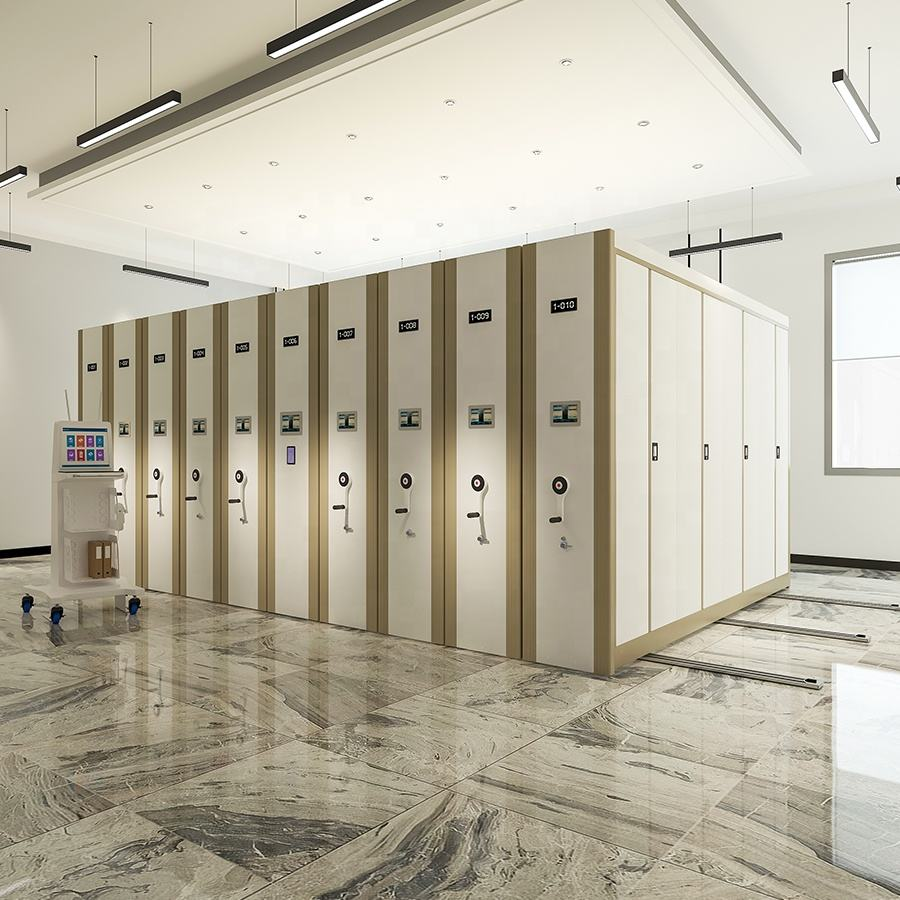
The Evolution and Core Benefits of Compact Movable Shelving Systems
Understanding Compact Movable Shelving Systems and Their Core Functionality
Movable compact shelving systems are changing how offices handle storage. Instead of having those fixed aisles we all know, these systems use track mounted units that actually glide along reinforced carriages. The result? Only need one or maybe two access points at any given time. What does this mean for space savings? Around half the floor area gets used up compared to regular old shelving setups, yet everything stays accessible. When companies ditch those permanent walkways, they suddenly find themselves able to fit anywhere from double to triple what they could before in the exact same space. And let's face it, this matters a lot right now since almost seven out of ten businesses are dealing with smaller workspaces according to Global Workplace Analytics from last year.
Urbanization and Limited Space Driving Demand for High-Density Office Storage
About 83 percent of professional service companies are based in cities where commercial property prices hit over $125 for every square foot each year. That's why many are turning to compact, movable shelving instead of expanding their physical footprint. These flexible storage solutions work great for businesses dealing with changing work arrangements and shifting storage demands. The numbers back this up too – according to research from Ponemon Institute in 2023, some industries actually see around double the inventory turnover when they switch to these systems, particularly in fields such as law firms and medical practices. Most companies now care more about making better use of existing space than just growing bigger. Mobile shelving lets them handle roughly 15 to 20 percent more stored items each year without having to move offices or spend on new space altogether.
Maximizing Space Efficiency in Modern Office Environments
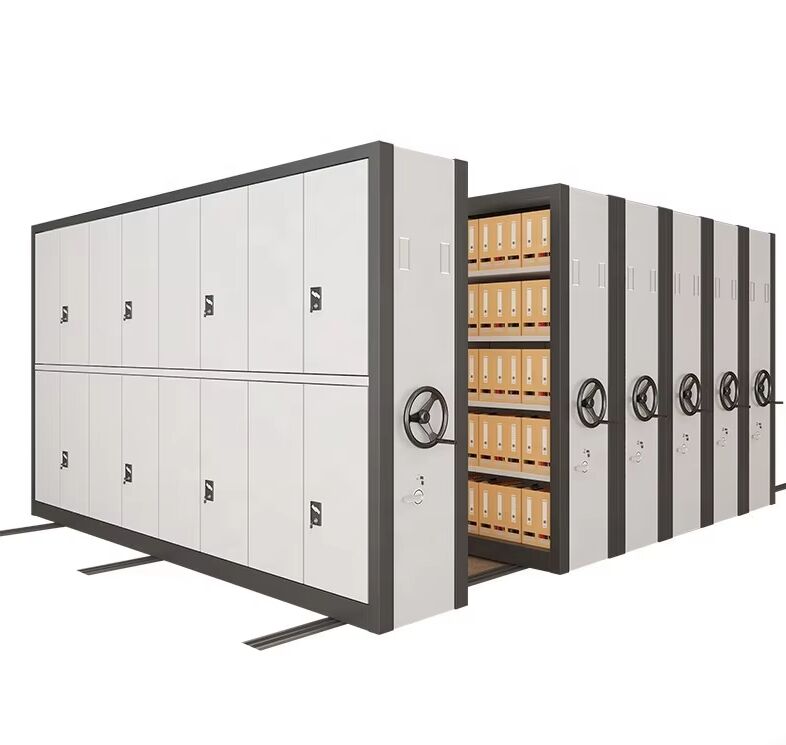
How Compact Movable Shelving Maximizes Storage Without Physical Expansion
By consolidating aisles and leveraging vertical space, these systems reconfigure storage density on demand. A single mobile unit allows 8–12 shelving sections to share one access corridor, effectively doubling capacity without structural changes.
Space Optimization in High-Cost Urban Real Estate: Case Study With 40% Floor Space Recovery
A 2023 analysis found that offices in high-rent districts recovered 40% of floor space using high-density mobile systems, converting unused corridors into functional work areas. This optimization translates to $58 per square foot in annual savings in cities like New York and San Francisco
Traditional Static Shelving vs. High-Density Mobile Systems: Footprint and Efficiency Comparison
| Metric | Static Shelving | Mobile Systems |
|---|---|---|
| Average Floor Utilization | 45% | 92% |
| Retrieval Time | Immediate | <30 seconds (automated) |
| Expansion Costs | $150–$200/sq ft | $0 (modular add-ons) |
The carriage-driven design eliminates fixed aisles while ensuring ADA-compliant access, making it ideal for archived materials with infrequent retrieval needs.
Enhancing Office Flexibility and Adaptability with Mobile Shelving
Supporting Hybrid Work Models Through Reconfigurable, Modular Storage
Mobile shelving systems are becoming really useful as companies deal with these new hybrid work setups. They let businesses set up different storage areas depending on what they need at any given time. Some offices actually build special spots for guest workers who come in occasionally, while others just push shelves together when fewer people show up during the middle of the week. According to research from last year on how adaptable workplaces need to be, companies saved around $18 for every square foot they spent on moving their furniture around instead of buying those expensive fixed storage units. The best part? There's no need for walls or barriers since everything can be rearranged so easily. One moment it's a place where everyone works together, the next it becomes private stations for focused tasks.
Adapting Office Layouts to Evolving Team Structures and Spatial Needs
Mobile storage units on rails can free up around 40% of floor space that usually gets swallowed by fixed corridors. Take this tech company in Sydney as an example they moved their shelves around every week depending on what projects were running at the time. Their teams ranged anywhere between just two people working on something small all the way up to groups of twenty. By doing this instead of expanding their office space, they saved approximately 340 thousand dollars over eighteen months. The best part? These systems don't need bolts for assembly so rearranging takes less than ninety minutes total. That's roughly sixty percent quicker compared to older setups where someone had to break out power tools each time there was a change needed.
Smart, Flexible Office Trends and Their Impact on Employee Productivity
Aligned with agile workspace principles, high-density mobile systems enhance employee autonomy and movement. Usage sensors in Amsterdam coworking spaces recorded 23% faster document retrieval times versus conventional storage. On-demand accessibility reduces cognitive load, with workers reporting 17% higher focus levels in activity-based offices using mobile solutions.
Cost Efficiency and Long-Term ROI of Adjustable Shelving Systems
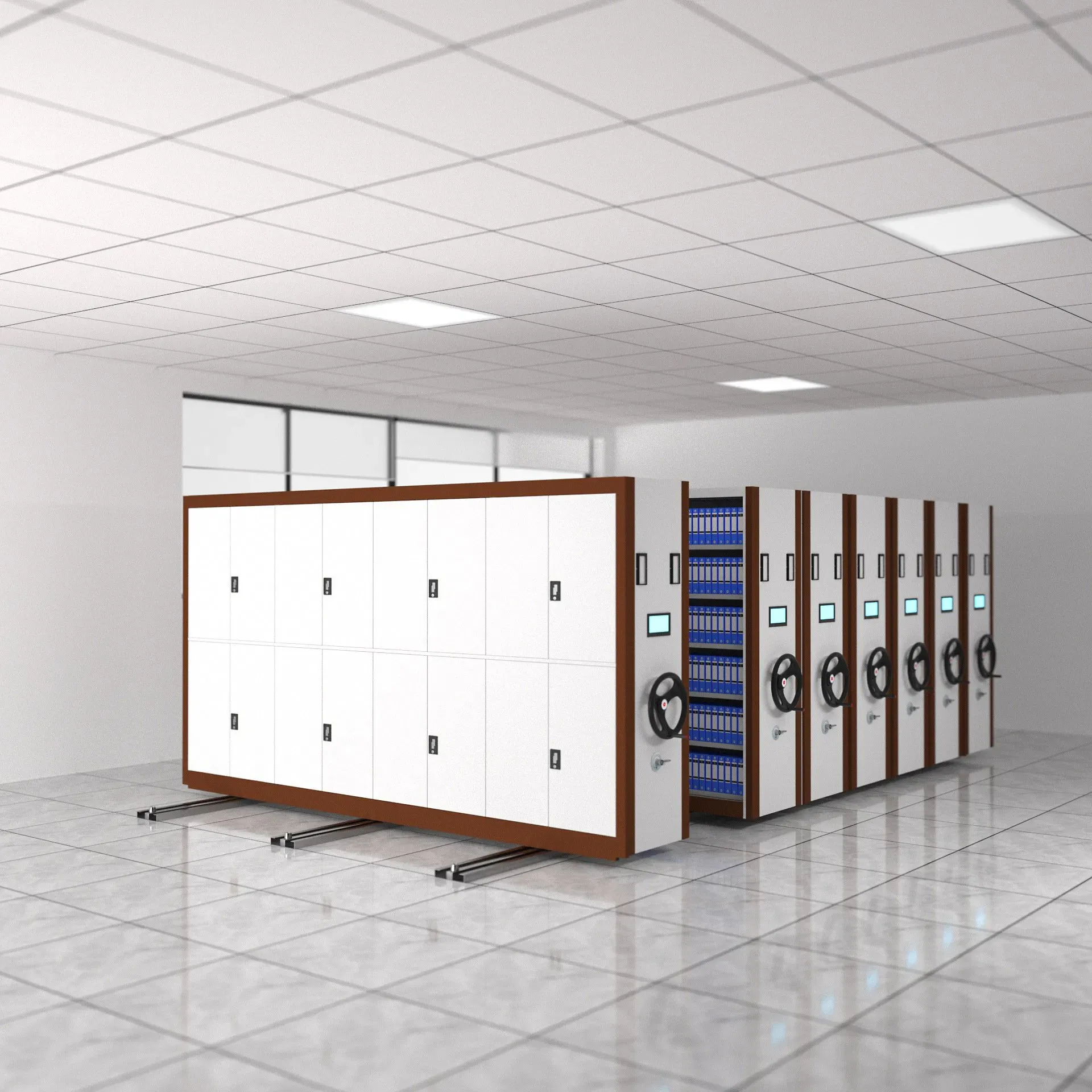
Avoiding Costly Office Expansions Through Vertical and Mobile Storage Solutions
Movable compact shelving systems really make the most of vertical space, which helps city businesses cut their rent bills quite a bit. According to Ponemon's research from last year, companies can actually save around $740k every year just by getting back between 30% and 50% of their floor area. Most businesses get their money back on these systems pretty quickly too, usually within 12 to 18 months when looking at lower property costs and better work flow. Take for instance a legal department at one big corporation that managed to skip spending two million dollars on renovations. They simply stored all their 12 thousand case files in just 400 square feet thanks to those rotating carousel shelves. Makes sense why so many are making the switch nowadays.
Lifecycle Analysis: Long-Term Savings of Compact Movable Shelving vs. Static Units
| Cost Factor | Static Shelving (15-Year Period) | Compact Movable Systems (15-Year Period) |
|---|---|---|
| Initial Investment | $120–$150 per linear ft | $250–$300 per linear ft |
| Maintenance/Replacement | 2–3 full replacements required | Single installation with minor updates |
| Space Utilization | 40–60% storage density | 85–90% storage density |
| Total Cost of Ownership | $1.8M | $985k |
Despite higher upfront costs, compact systems deliver 45% lower lifetime expenses by extending asset life and minimizing spatial waste. Inefficient storage indirectly impacts operations—such as delayed retrievals affecting client billing—further amplifying long-term savings.
Addressing the Upfront Cost Concern: Balancing Initial Investment With Value Retention
New financing options such as Storage-as-a-Service (STaaS) are changing how companies think about movable storage solutions. Instead of big upfront investments, businesses can now include these systems in their regular operating costs. What's interesting is that these shelving units actually hold most of their value over time. After about five years on the market, they still fetch around 70 to 80 percent of what was paid originally thanks to uniform parts and materials that resist rust and wear. And when we look at real world applications, warehouses using these adjustable systems report inventory movement speeds that are roughly 25 to 35 percent better compared to traditional setups. For organizations planning long term growth, this combination of financial flexibility and lasting value makes adjustable shelving worth serious consideration for modern storage needs.
Improving Workflow Efficiency and Scalability in Dynamic Workspaces
Balancing high-density storage with fast document and resource retrieval
Compact movable shelving enables 60% greater storage density per square foot than static units while maintaining retrieval times under 20 seconds. A 2024 analysis of high-density storage optimization found smart compartmentalization reduced document search time by 34% in legal offices. Key features include:
- Carousel-style rotation for aisle-less access
- RFID-enabled tracking for real-time inventory visibility
- Ergonomic design supporting 90th-percentile worker reachability
Applications in legal, healthcare, and administrative offices with high retrieval demands
Urban medical centers report 28% faster patient record access during peak hours, with medication storage error rates dropping from 9% to 2%. The vertical configuration aligns with ISO-13485 standards for medical device traceability, enhancing compliance and safety.
Scalable storage for growing organizations: modular design and future-ready infrastructure
Modular components allow enterprises to scale capacity by 150% without physical expansion—essential for organizations projecting significant headcount growth. Unlike rigid static units, these systems support configuration changes in under two hours with basic tools, compared to three days for traditional renovations.
Expanding adoption in libraries, archives, and co-working spaces
Public libraries using mobile compact systems have increased shelving capacity by 80% while reducing energy costs through optimized HVAC zoning. Co-working spaces now dedicate 43% less floor area to storage than in 2019, reallocating saved space to revenue-generating workstations.
FAQ
What are compact movable shelving systems?
Compact movable shelving systems consist of track-mounted units that glide on carriages, allowing for efficient space usage and increased storage capacity by eliminating the need for permanent aisles.
How do these shelving systems improve office space efficiency?
They maximize storage without physical expansion by consolidating aisles, leveraging vertical space, and allowing multiple shelving sections to share an access corridor, effectively doubling storage capacity without structural changes.
What industries benefit most from compact movable shelving systems?
Industries like legal, healthcare, and administrative offices, which have high retrieval demands and require efficient storage solutions, greatly benefit from these systems.
How do these systems compare to traditional static shelving in terms of cost?
Though compact systems have higher initial costs, they offer lower lifetime expenses by reducing spatial waste and extending asset life, making them cost-efficient in the long run.
Can these systems be incorporated into existing workspaces without much hassle?
Yes, they are modular and reconfigurable, allowing for easy incorporation into existing spaces with minimal disruption to operations.
Table of Contents
- The Evolution and Core Benefits of Compact Movable Shelving Systems
- Maximizing Space Efficiency in Modern Office Environments
- Enhancing Office Flexibility and Adaptability with Mobile Shelving
- Cost Efficiency and Long-Term ROI of Adjustable Shelving Systems
-
Improving Workflow Efficiency and Scalability in Dynamic Workspaces
- Balancing high-density storage with fast document and resource retrieval
- Applications in legal, healthcare, and administrative offices with high retrieval demands
- Scalable storage for growing organizations: modular design and future-ready infrastructure
- Expanding adoption in libraries, archives, and co-working spaces
-
FAQ
- What are compact movable shelving systems?
- How do these shelving systems improve office space efficiency?
- What industries benefit most from compact movable shelving systems?
- How do these systems compare to traditional static shelving in terms of cost?
- Can these systems be incorporated into existing workspaces without much hassle?