
 EN
EN
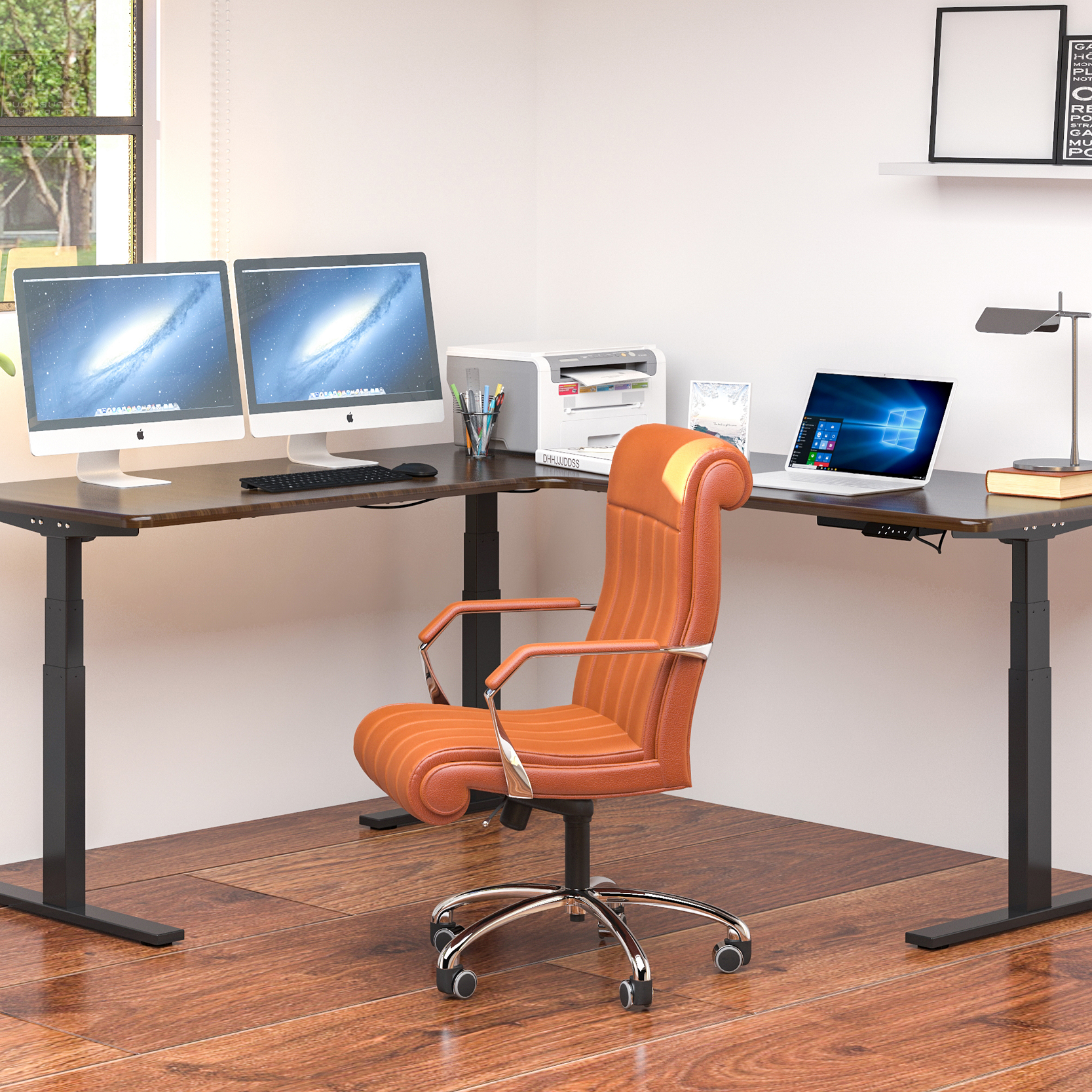
Understanding the Role of Adjustable Height Tables in Modern Office Ergonomics
The evolution of office ergonomics and the rise of dynamic workspaces
These days, office layouts aren't stuck in the same old mold anymore. Gone are those endless rows of cubes we all remember from the 90s. Modern workplaces are becoming much more flexible spaces that actually care about how people feel while working. Companies are starting to realize that letting employees adjust their desk heights makes a big difference for posture and comfort throughout the day. According to recent data from the Workplace Design Report in 2023, nearly four out of five businesses undergoing office renovations now see ergonomic options as something they just can't ignore anymore when planning their workspace.
How Adjustable Height Tables support ergonomic design and employee wellbeing
These tables eliminate static postures—the leading cause of musculoskeletal strain in desk workers. By enabling seamless transitions between sitting and standing, they promote spinal realignment and reduce pressure on lumbar discs. Forward-thinking organizations report 31% fewer ergonomic complaints after adopting adjustable workstations, according to a 2023 Ergonomic Design Survey.
Data insight: 62% of employees report improved posture and reduced discomfort with height-adjustable desks
Clinical studies confirm these benefits: workers using adjustable tables show 19% less trapezius muscle tension (Journal of Occupational Health, 2022) and face a 27% lower risk of chronic back pain compared to fixed-desk users. These findings reinforce why ergonomic experts now view height adjustability as essential in modern office planning.
Improving Posture and Reducing Musculoskeletal Pain
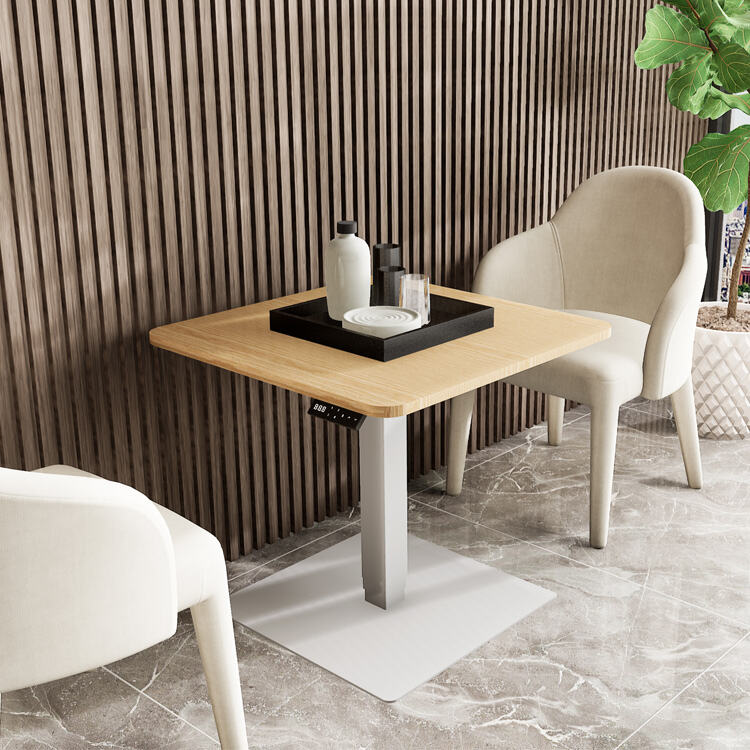
Adjustable height tables address two major workplace health issues: posture-related chronic pain and injuries linked to sedentary behavior. With 82% of office workers reporting weekly discomfort in their lower backs or necks (OSHA 2023), these solutions directly counteract the spinal misalignment risks of static workstations.
The link between sit-stand desks and improved spinal alignment
Biomechanical research shows that alternating positions every 60 minutes reduces lumbar disc pressure by 35% compared to continuous sitting. A 2024 spinal health analysis found that users of adjustable tables maintained neutral pelvic tilt 28% more effectively than those using traditional desks—key for preventing disc degeneration and muscle imbalances.
Clinical evidence: Reduction in neck and upper back pain within 6 weeks
Controlled trials demonstrate rapid improvements:
- 41% reduction in neck pain at 3 weeks (Journal of Occupational Rehabilitation 2023)
- 67% decrease in upper back stiffness by week 6
MRI scans revealed a 19% reduction in trapezius muscle inflammation among frequent standing users, confirming physiological benefits alongside symptom relief.
Case study: 45% drop in back pain reports at a tech company after workstation upgrades
A 1,200-employee SaaS firm documented measurable outcomes following workstation upgrades:
| Metric | Pre-Adjustment | 6-Month Post | Improvement |
|---|---|---|---|
| Ergonomic complaints | 31% | 17% | 45% reduction |
| Physical therapy referrals | 22/month | 10/month | 54% decrease |
| Productivity metrics | 78/100 | 84/100 | 7.7% increase |
Posture sensors showed employees averaged 3.4 height adjustments per day, a pattern closely tied to reduced pain reports.
Health Benefits Beyond Comfort: Combating Sedentary Work Risks
Adjustable Height Tables Reduce Risks Linked to Prolonged Sitting
People spend roughly six and a half hours each day sitting still at their desks, which raises health concerns significantly. Research shows sitting too long can boost chances of heart problems by about 34 percent, type 2 diabetes risk jumps over 100%, and there's also increased likelihood of back and joint issues. Adjustable height desks offer a solution here since they allow workers to stand up periodically throughout the day, promoting better body alignment. According to a study published last year, employees who switched to these flexible workstations cut down on sitting time by nearly an hour and a half every single workday when compared against colleagues stuck behind traditional office furniture setups.
Promoting Circulation and Movement Throughout the Workday
Standing increases muscle engagement by 30% compared to sitting, based on electromyography data. This low-level activity enhances blood flow to the legs, helping prevent venous pooling and swelling. Employees report 47% fewer instances of “heavy legs” after switching to height-adjustable setups.
Study: Users Burn Up to 70 More Calories Daily With Intermittent Standing
Metabolic research shows that alternating between sitting and standing every 30 minutes can increase calorie expenditure enough to offset walking 1.5 miles per day. Over a year, this small change could prevent approximately 15 pounds of weight gain associated with sedentary office work.
Boosting Mental Well-Being and Cognitive Performance
Enhancing Mental Well-Being Through Active, Flexible Workstyles
Adjustable height tables support movement-responsive work environments, reducing mental fatigue caused by prolonged sitting. Workplaces that adopted ergonomic workstations reported a 42% increase in self-rated job satisfaction (Ergonomics International 2023). By allowing smooth transitions between postures, these tables help counteract the cognitive stagnation linked to sedentary routines.
Increased Energy and Reduced Stress Levels With Posture Variation
Frequent posture changes are linked to a 31% reduction in afternoon energy slumps. Physiologically, standing intervals boost lung capacity by 12%, improving oxygen delivery and alertness. Cortisol analyses also show 19% lower stress biomarkers in employees using dynamic workstations, indicating tangible psychological benefits.
Trend Data: Improved Focus and Attention in Users of Adjustable Workstations
A 2024 analysis of 15,000 knowledge workers revealed significant cognitive gains:
- 27% faster task-switching accuracy during standing intervals
- 18% reduction in attention lapses in afternoon hours
- 22% increase in productive work blocks exceeding 90 minutes
These results suggest that posture autonomy enhances sustained focus, especially in roles requiring deep concentration.
Debating the Source of Cognitive Gains: Movement vs. Perceived Control
Some scientists think standing boosts brainpower because it increases blood flow to the head area, while others point out how being able to control our surroundings psychologically matters a lot too. Recent research from last year showed people actually got better concentration when they worked at fixed height desks that happened to be ergonomically correct for them, which makes one wonder if good posture itself might be what really helps productivity, not necessarily moving around all the time. What this means practically is that companies should probably stop trying to force everyone into the same kind of desk setup and start looking at what works best for each person individually instead.
Customization and Flexibility for Diverse Work Needs
Tailoring Workspaces to Individual Preferences and Tasks
Workplaces today need flexible setups that can handle different body types and changing job duties. Height adjustable tables let people set their workspace according to how tall they are, what kind of work they're doing, and just plain old comfort. Research from Bostontec in 2023 showed something interesting too. They found around 78 percent of workers who had access to these adjustable stations actually felt more in sync with their daily tasks compared to those stuck at regular desks. Makes sense really when we think about how varied our needs can be throughout the day.
Supporting Multitasking: From Focused Typing to Collaborative Video Calls
These tables enable quick transitions between activities—lowered positions support wrist stability during typing, while elevated settings facilitate eye-level engagement in video calls. This adaptability minimizes posture compromises during task-switching, an important advantage given that 63% of hybrid workers balance individual and collaborative tasks daily.
Seamless Transitions Between Sitting and Standing Enhance Workflow Continuity
Adjustable motorized desks can change heights within just over a second, which helps people stay focused without getting interrupted during setup. Recent studies found something interesting too employees who adjust their sitting position around five to seven times throughout the day tend to perform better on tasks that require sustained attention compared to folks stuck at regular desks all day long. The difference was actually quite significant about 22 percent improvement in how consistently they could maintain their workflow. For workplaces where flexibility matters, these adjustable systems make sense both from a health perspective and for keeping workers productive longer before fatigue sets in from sitting too much.
FAQ Section
What are adjustable height tables?
Adjustable height tables are desks that allow users to modify their height to accommodate both sitting and standing positions, promoting better ergonomics in the workplace.
How do adjustable height tables benefit health?
These tables reduce static postures, decrease musculoskeletal strain, improve posture, and help reduce the risks associated with prolonged sitting, such as back pain and cardiovascular issues.
Can adjustable height tables improve work performance?
Yes, by promoting better posture and facilitating movement, these tables can increase productivity, enhance focus, decrease fatigue, and improve job satisfaction among employees.
Are adjustable height tables suitable for all work environments?
Yes, they offer customization and flexibility, making them suitable for a variety of workplace settings including traditional offices, home offices, and dynamic, flexible workspaces.
Table of Contents
- Understanding the Role of Adjustable Height Tables in Modern Office Ergonomics
- Improving Posture and Reducing Musculoskeletal Pain
- Health Benefits Beyond Comfort: Combating Sedentary Work Risks
- Boosting Mental Well-Being and Cognitive Performance
- Customization and Flexibility for Diverse Work Needs
- FAQ Section