
 EN
EN
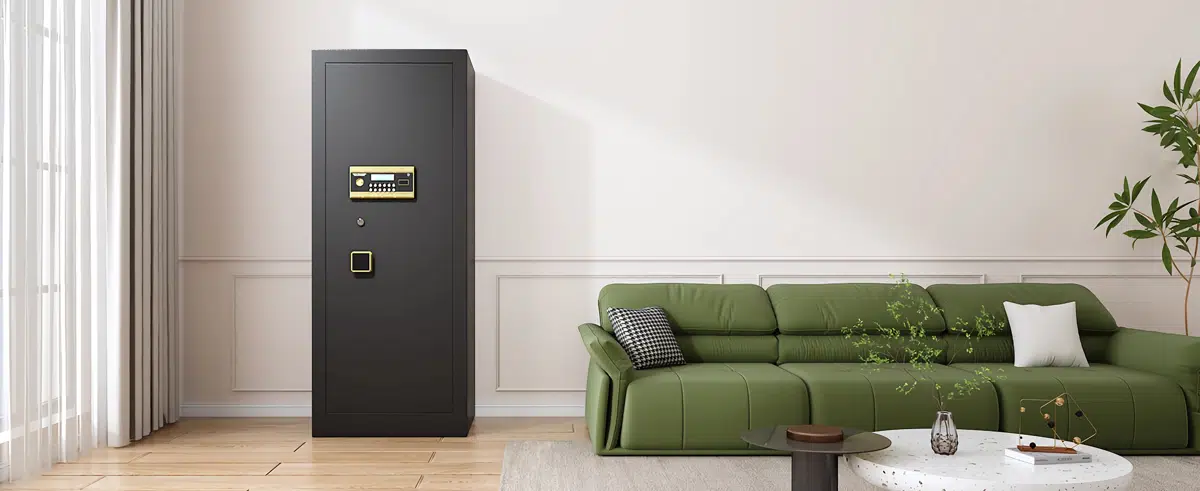
Multi-Layer Steel Construction and Fire-Burglary Resistant Materials
AR500, Hardened Steel, and Concrete Composite Fill for Impact and Heat Resistance
AR500 ballistic steel meets MIL-DTL-46100E specs and stands up remarkably well to attempts at drilling, grinding or cutting through it. The triple hardening process makes these steel alloys even tougher by spreading out the shock from impacts across different microscopic structures within the metal. Between the inner and outer steel walls sits something called concrete composite fill. This special mix combines dense concrete with materials that soak up heat. When poured into place, it helps absorb the punch of kinetic energy while slowing down how fast heat moves through the material. Regular steel starts losing strength around 1,100 degrees Fahrenheit, dropping about half its original strength at that point. But our composite construction keeps holding together past 1,800 degrees for nearly an hour and a half, which means buildings protected by this system stay cooler inside much longer when exposed to extreme fires.
Steel Gauge Standards: Why 6-Gauge Dual-Layer Walls Outperform Thicker Single Sheets
Steel walls made with two layers of 6-gauge material (about 4.17mm each, totaling around 8.3mm overall) actually work better than just making one thicker sheet. The real advantage isn't just about being thicker though. These walls are designed so that when someone tries to break through, the outside layer gets bent or pushed aside by whatever tool they're using, while the inside layer stays solid and keeps the whole barrier from failing. There's also something important happening with the space between those layers. That little gap stops heat from moving through both conduction and convection, which means these walls can withstand fires longer without getting heavier. Tests done by UL show that breaking into a dual 6-gauge wall takes roughly 40 percent more effort compared to a regular 10-gauge wall that weighs the same amount but is all one piece.
| Protection Type | Single 10-Gauge Wall | Dual 6-Gauge Walls |
|---|---|---|
| Tool Breach Time | 15–20 minutes | 25–30 minutes |
| Heat Transfer Delay | 30–40 minutes | 70–90 minutes |
Intumescent Seals and Fireboard Insulation in Hybrid Safe Designs
Intumescent door seals that meet UL standards for ASTM E119 can swell to about ten times their normal size when temperatures hit over 350 degrees Fahrenheit. They fill tiny spaces as small as 0.005 inches wide, creating barriers against smoke, flames, and extremely hot gases escaping through doors. These seals team up well with fireboard insulation made from mineral wool panels capable of handling temperatures up to 2,200 degrees. The mineral wool gets placed between layers of steel to stop heat from traveling directly through metal components. During testing according to UL 72 Class 350 standards for four hour fire resistance, these combined systems keep inside temperatures below dangerous levels (under 350 degrees) for at least ninety minutes even when exposed continuously to furnace conditions reaching 1,000 degrees. What's impressive is how they manage to maintain proper door alignment and ensure bolts stay engaged despite intense thermal stresses during such tests.
Advanced Locking Systems and Anti-Forced-Entry Engineering
High-security safes integrate locking systems validated under real-world assault conditions—not just static load tests. Every component is engineered to fail last, ensuring attackers exhaust time, tools, and opportunity before compromising the primary barrier.
Four-Way Boltwork with 1.5-Inch+ Hardened Steel Bolts and Reinforced Door Frames
The four way bolt system uses hardened steel bolts rated at Rockwell C58 to 62 hardness scale, each about 1.5 inches long or longer along every edge of the door including top, bottom and both sides. These bolts reach deep into reinforced steel frames backed by carbon steel plates, spreading out the pressure over roughly twelve square inches where they make contact. What this means is the door can handle well over ten thousand pounds of continuous force, which is actually more than twice as much as most single bolt systems can manage because there are no weak spots for someone to apply leverage. Doors that have UL certification go through rigorous tests where they simulate being pried open for thirty minutes straight. The special dual layer frame construction stops those bolt holes from stretching out over time, so the lock stays just as secure as when it was first installed.
Hardplate Protection and Glass-Relocker Triggers Against Drilling and Prying
Hardplate barriers reinforced with cobalt surround the lock mechanisms, effectively stopping carbide drill bits and breaking apart abrasive cutting wheels when they make contact. Part of this security setup includes a tempered glass relocker that has passed UL safety tests and activates just 12 milliseconds after sensing vibrations. If someone breaks the glass, it sets off secondary bolts right away, locking down the door completely before it can move even a fraction of an inch. This combination approach stops most common methods thieves use to break in, making these locks extremely difficult to compromise.
- Drilling is defeated as rotating hardplate disks shatter incoming bits
- Prying forces trigger inertial sensors that engage deadbolts before hinge stress reaches critical thresholds
Relocker reliability is verified per UL 687 Annex A, including seismic simulation up to 7.0 magnitude—ensuring zero false activations during building tremors or routine handling.
UL-Certified Burglary Resistance: TL-15, TL-30, and RSC Ratings Decoded
TL-15 vs. TL-30: Real-World Tool Resistance, Attack Duration, and Test Methodology
UL certification gives real security standards based on actual testing, not just sales talk. Safes rated TL-15 can hold off intruders trying to get in with standard mechanical tools like power drills, angle grinders, and those tough carbide cutters for about 15 minutes straight work time. That means when someone starts drilling away without stopping to change bits or adjust their gear counts toward that 15 minute mark. The TL-30 rating takes things further by extending protection to 30 minutes total and adds tests against hydraulic spreaders and abrasive wheels which can push over 20 thousand pounds per square inch right onto one spot. For these tests, two trained UL techs go after known weak spots while being watched closely. Special X6 models even get checked on every single side so there are no hidden entry points anywhere. All this careful testing makes sure different companies' products meet the same basic safety requirements consistently.
Why UL RSC II and CA-DOJ Certification Matter for Commercial Safe Compliance
The UL RSC II container sets a basic level of security with at least five minutes of resistance against common hand tools such as hammers, screwdrivers, and those annoying pry bars we all know too well. This makes it good enough for small retail stores keeping cash on hand. But things get different when talking about commercial operations that need proper certification. In places where guns are prevalent like California, Nevada, and New York, businesses must have CA-DOJ approval. The standards here are much tougher requiring containers to withstand power tools and oxy-acetylene torch attacks for fifteen minutes or more. These certified boxes also come with special features including hidden hinges, bolts that resist tampering, and separate locking systems that kick in if someone tries to force entry. Most insurance companies now ask for TL-15 ratings or better whenever inventory exceeds $100,000 worth. And for gun shops specifically, following CA-DOJ rules isn't just recommended but required by law under Penal Code 25655 which affects everything from getting licensed to passing inspections and securing adequate insurance coverage.
| Certification | Tool Resistance | Duration | Key Commercial Applications |
|---|---|---|---|
| UL RSC II | Hand tools only | ≈5 mins | Retail cash drawers, small offices |
| CA-DOJ | Power tools + torches | ≈15 mins | Firearms dealers, pharmacies, evidence lockers |
Hinge Security and Anti-Removal Design Fundamentals
Contrary to what most people think, hinges aren't just passive parts on a door. They actually serve as important security elements. Take modern anti-removal hinges for instance. These have special alloy pins that can't be removed easily. The pins are pressed into those interlocking tabs that are machined right into both the door and its frame. What makes this design so effective? When someone tries to break in with a sledgehammer, the impact gets spread out over the whole hinge assembly. Tests show these hinges can handle well over 2,500 foot pounds of force before any damage occurs to the pins or tabs. Security features go deeper too. Factory sealed bearings and hidden fasteners mean only special tools can take them apart. Even if someone manages to strip or drill through the outside screws, they still won't get anywhere near the actual hinge mechanism. For doors rated against fires, manufacturers add extra protection. Intumescent gaskets expand when heated, while the stainless steel pivots stay strong even at temperatures exceeding 1,200 degrees Fahrenheit. This keeps doors properly aligned and sealed as they expand from the heat. Such thoughtful engineering meets both burglary prevention standards (UL 687) and fire safety requirements (UL 72), making these hinges work hard for their money in commercial settings.
Smart Electronic Controls and Tamper-Resistant Safe Management
Dual-Authentication (Biometric + Keypad) with Instant Tamper-Activated Relocking
Real dual authentication systems need both factors verified at the same time, not just one after another when the first fails. The best security setups today combine fingerprint scanning with keypads that change where numbers appear each time someone tries to enter. If either part doesn't work right, access gets denied completely. These systems keep biometric data locked away in local storage instead of sending it to some distant server online, which stops hackers from trying to trick them remotely. What makes these systems really stand out though? They come equipped with special motion detectors and sound sensors inside. When someone tries breaking in by hitting the door with a hammer, drilling through it, or messing around with magnets, those sensors kick in almost instantly. Within about a third of a second, the locks slam shut harder than usual, pushing steel bolts further into the door frame so intruders barely have time to react before everything gets secured tight again.
Time-Delay Lockouts and Digital Audit Trails for High-Security Safe Deployments
Time delay lockouts put in place required waiting times of at least 15 to 30 minutes once someone enters correct login details, which helps stop situations where people might be forced to give up their credentials. Every authentication event gets logged somewhere safe - this includes when someone tries but fails to log in, when systems automatically lock again, plus all maintenance records too. These logs are stored using blockchain technology that can't be changed, meeting standards set by NIST SP 800-92 as well as California's DOJ Regulation 1155. The data collected contains things like the person's ID number, exact location timestamps, how confident the system was about matching biometrics, and various system performance indicators. When everything is encrypted and synced to the cloud, it becomes possible to monitor multiple locations from one central point. Smart AI tools then watch for strange activity patterns such as too many failed facial recognition attempts or sudden increases in access during late night hours. This setup allows organizations to respond before problems happen and makes sure they have proper documentation for compliance purposes, especially important for banks and police departments who need to follow strict regulations.
FAQ Section
What is AR500 ballistic steel and why is it used?
AR500 ballistic steel is a durable material that meets military specifications for resistance against drilling, grinding, and cutting, making it excellent for applications requiring impact resistance.
How do dual 6-gauge walls provide better protection than single sheets?
Dual 6-gauge walls provide enhanced fire and burglary resistance due to the mechanical advantage of two layers which outperform a single thicker sheet in preventing breaches and heat transfer.
What are intumescent seals?
Intumescent seals expand significantly when exposed to heat, creating barriers against smoke, flame, and hot gases during fires.
How does the four-way bolt system enhance security?
The system distributes force over a larger area with hardened steel bolts, which resists forced entry more effectively than single bolt systems.
What does UL certification signify?
UL certification ensures that safes and components meet rigorous security standards through standardized testing procedures.
What is the significance of CA-DOJ certification?
CA-DOJ certification is crucial for gun shops and high-security commercial applications, ensuring safes can withstand severe intrusions like power tools and torch attacks.
Why are hinges important in door security?
Hinges strengthen door security with anti-removal designs and shock distribution, preventing forced removal and maintaining fire resistance.
How do dual authentication systems work?
These systems use both biometric and keypad authentication together to ensure maximum security and prevent remote hacking.