
 EN
EN
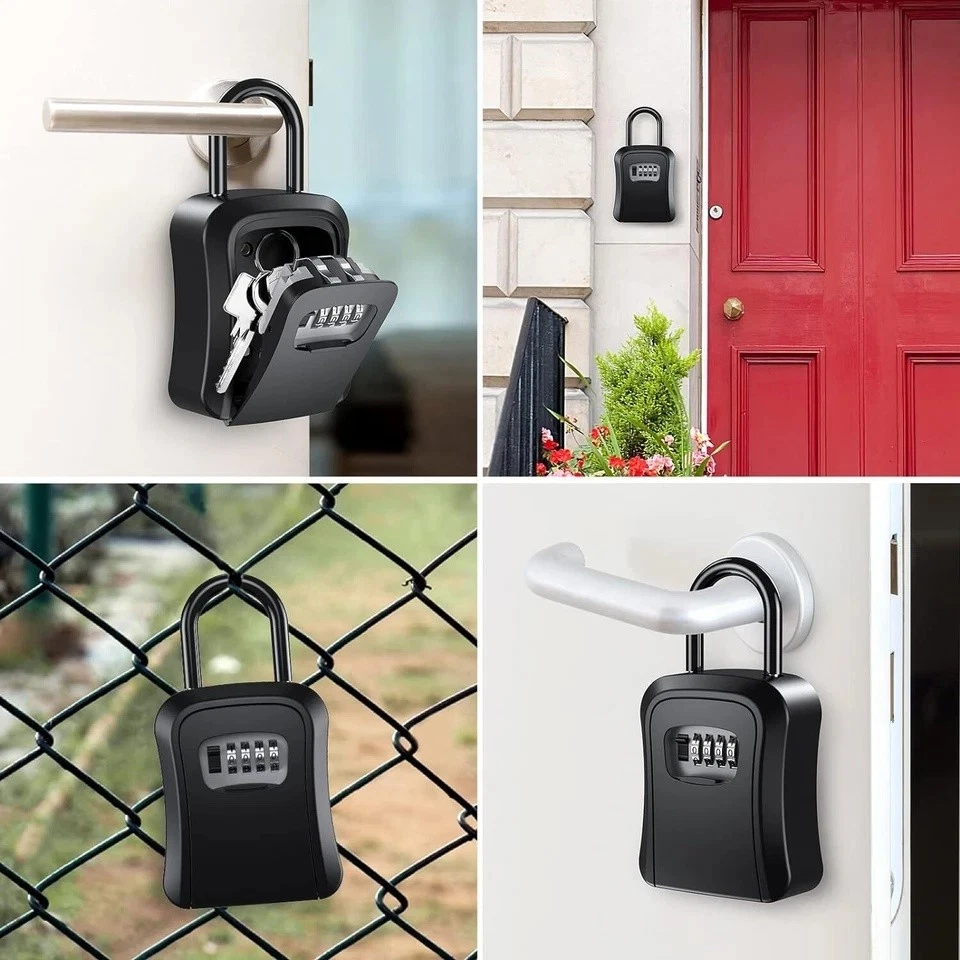
Superior Security: Tamper-Resistant Design and Digital Encryption
Military-grade steel and anti-drill plates: Preventing physical break-ins
The electronic key safes on the market today usually feature reinforced high tensile steel along with those hardened anti-drill plates inside. These materials meet industry standards like UL 1037 and ASTM F2365, which basically means they've been tested and approved by professionals. What makes them stand out from regular lockboxes? Well, their dual layer design can hold up against drilling attempts, resist being pried open, and even withstand impacts better. This gives property owners valuable extra minutes before someone actually gets through. And considering stats show something like 8 out of 10 home break ins start with forced entry through doors or windows, having something that stands up to this kind of assault makes all the difference in protecting what matters most.
AES-128 encryption: Blocking code interception and replay attacks
The way devices talk to their interfaces stays protected thanks to AES-128 encryption, which governments and banks actually rely on for real security work. When data travels wirelessly, this setup stops anyone from grabbing signals mid-air. Plus it fights off those pesky replay attacks because each time someone logs in, new crypto keys get generated automatically. Think about old school locks versus modern systems - if someone steals a physical key they can just copy it again and again. But with these electronic locks? Once credentials are taken, they're basically useless next time around. That makes them way safer compared to older methods we've been stuck with for years now.
Real-world results: 72% drop in unauthorized access (2023 UL-certified trial)
Testing done by UL certification back in 2023 showed electronic key safes stopped unwanted break-ins 72% better than mechanical ones when put through the same simulated attacks. Property managers at 42 different companies reported similar results in real world situations. Their electronic systems worked for legitimate users about 98 out of 100 times, but mechanical locks had problems getting people in around 13 or 14 times out of 100 because of things like normal wear and tear, getting misaligned over time, or someone trying to mess with them. What we're seeing here isn't just better protection against thieves though. These electronic systems also work more consistently day after day without all the headaches that come with traditional locks breaking down.
Cost vs. claims: How higher upfront investment reduces long-term insurance claims by 3.2–
While electronic key safes do come with a bigger price tag upfront, studies from the Insurance Information Institute indicate homes with UL certified digital models report about two thirds fewer burglary claims. Looking at the numbers over time makes sense too. For every dollar spent on installation, property owners save around three dollars through reduced insurance payouts, lower premiums, and avoiding costly lock replacements. Insurance companies are starting to offer better deals for these systems because they know something most homeowners don't realize yet. According to FBI crime statistics from last year, nearly seven out of ten home break ins actually involve stolen keys being duplicated. These aren't just abstract figures either. Real money savings happen when insurers factor this protection into their risk assessments and policy pricing decisions.
Smart Access Control: User Codes and Permission Management
Key safe boxes replace fragmented, analog access control with centralized, programmable digital authority—giving property owners precise, auditable oversight without compromising convenience.
Program up to 30 unique codes with time-limited access for contractors or family
Administrators can assign distinct, revocable access codes for cleaners, dog walkers, contractors, or visiting relatives—each configurable with start/end dates and daily time windows. This eliminates physical key handoffs, reduces liability exposure, and ensures permissions expire automatically. No rekeying, no follow-up calls—just granular, self-enforcing control.
Audit trails: Track every access attempt with timestamped logs (local and cloud)
Whenever someone interacts with the system, it creates a secure log that can't be altered without detection. These logs capture important details like when the event happened, who was involved through their unique code, and whether access was allowed or denied. The system automatically backs up these records either on site storage or safely in the cloud with encryption all the way from start to finish. This makes it possible to check things remotely, confirm everything meets regulations, or even investigate what went wrong if there's ever a problem. Property managers who handle multiple units find this level of visibility incredibly helpful. Instead of trying to figure out what happened based on memories or incomplete information, they get clear data showing exactly what occurred during each access attempt.
Privacy debate: Cloud-connected vs. offline key safe boxes and data security
Cloud connected devices let operators revoke access instantly, pull logs remotely, and push firmware updates wirelessly across networks. These features work great in situations where things change fast, such as short term rental properties or business asset tracking systems. On the flip side, offline hardware keeps everything stored right there on site, which completely eliminates vulnerabilities from cloud breaches but means no one can manage it from afar once installed. There really isn't a clear winner between these approaches. What works best comes down to how much risk someone is willing to accept, what exactly needs monitoring, and what kind of existing tech they already have in place rather than whatever sales pitch sounds most convincing at the moment. Interestingly enough, both options actually comply with those NIST SP 800-193 security standards for managing devices throughout their entire life cycle.
Convenience and Integration with Modern Smart Home Ecosystems
One-touch setup and voice-enabled access via Alexa and Apple HomeKit
Getting everything set up only takes about two minutes flat, and there's absolutely no need for any technical know-how. The system works right out of the box with Alexa, Apple HomeKit, and Google Home. People can just say something like "Alexa, unlock the front gate" or create custom routines that do multiple things at once. For instance, when someone arrives home, it can automatically release the key safe, turn on the security cameras, and light up the porch all at the same time. These automated sequences make coming and going much smoother, particularly when folks are carrying groceries or trying to get inside in the dark without fumbling around for keys.
Remote deactivation: Instantly revoke access without rekeying locks
If someone loses their credentials or when a contractor finishes their work, admins can simply disable access through the mobile app within seconds. No more calling in locksmiths, replacing locks which typically cost anywhere from $100 to $300 per unit, or going through the hassle of recovering lost keys. According to a recent residential security report from 2023, buildings using these digital systems saw their response times drop dramatically - around 90% faster than traditional mechanical setups. The system also handles code expiration automatically, so there's less need for constant monitoring. This means permissions stay current with what people actually need day to day instead of relying on outdated paper trails or forgotten access cards lying around somewhere.
Reduced Risk of Lost Keys and Unauthorized Duplication
68% of break-ins linked to lost or copied keys (FBI UCR, 2023): How key safe boxes mitigate this
According to the FBI's 2023 Uniform Crime Report, about two thirds of all home break ins actually happen because people lose their keys or someone makes copies. This beats out things like breaking windows or tricking neighbors by a long shot. That's where electronic key safes come into play. They fix the problem right at the start since there's no actual key sitting around to misplace or duplicate. These systems use unique codes that can't be transferred from one person to another, plus they keep track of who accessed what when something mechanical just plain can't do. Think about those old school spare keys people hide under doormats? Well guess what? Criminals know exactly where to look and statistics show they're used in roughly 40 percent of cases where doors aren't forced open. Digital access remains completely hidden until someone has proper clearance though, which adds another layer of security most traditional locks never had.
Eliminate rekeying costs with instant digital access revocation
When someone loses their keys, it usually means spending anywhere from $80 to $300 just to get locks changed, not counting all the extra hassle with getting workers in, waiting around while things happen, and coordinating everyone involved. Electronic key safes change this completely though. Taking away access happens right away at no cost whatsoever. According to some property management research, families end up saving about $240 every year simply by skipping those traditional lockout fees. And there's something else too: temporary access options let people set exact times when someone can come in, which cuts down on making copies altogether. No more handing out actual keys to contractors or letting friends into the house becomes necessary anymore either.
Versatile Use Cases for Key Safe Boxes Beyond Front Doors
Secure garage remotes, pool gates, and home safe combinations
A good key safe box brings everything together for property access control. Garage remotes, pool gate keys, and those important safe combination numbers can all be stored in one secure, encrypted container that resists tampering. This actually tackles the old hidden key issue which remains a big problem still today about 4 out of 10 times when someone gets into a house without breaking anything. For pool owners, it stops kids from wandering off unattended near the water. Homeowners no longer have to worry about forgetting their safe codes or finding those crumpled up sticky notes stuck behind appliances. Maintenance crews also benefit because they get controlled access that can be tracked, instead of having to hand out dozens of spare keys to everyone who needs them.
Support for multi-generational homes: Balancing independence and oversight
For multi-generational households, electronic key safes offer a practical solution to the ongoing struggle between wanting privacy and needing some level of oversight. When caregivers need access during scheduled visits, they get temporary codes sent right to their phones. Adult kids can pop in whenever necessary without feeling watched through cameras everywhere. Meanwhile, older parents still have complete control over everything - they know exactly who came in and what time they did it. The system basically gets rid of those uncomfortable moments where someone has to hand over a physical key. Instead, everyone just sets up their own access rules according to what makes sense for them. While it might take a little getting used to at first, most families find that these smart locks actually make life easier between different generations living together under one roof.
FAQ Section
What is the primary benefit of using electronic key safes?
Electronic key safes provide enhanced security through tamper-resistant designs and digital encryption, preventing unauthorized access and eliminating risks associated with lost or duplicated physical keys.
How does AES-128 encryption enhance safety?
AES-128 encryption prevents signal interception and replay attacks, generating new crypto keys for each login attempt, making it more secure than traditional lock systems.
Can electronic key safes integrate with smart home systems?
Yes, electronic key safes are designed for seamless integration with smart home ecosystems, supporting voice commands via Alexa, Apple HomeKit, and Google Home.
How do electronic key safes reduce insurance premiums?
Properties equipped with UL-certified digital key safes report fewer burglary claims, leading to lower insurance premiums and reduced long-term costs.
Table of Contents
-
Superior Security: Tamper-Resistant Design and Digital Encryption
- Military-grade steel and anti-drill plates: Preventing physical break-ins
- AES-128 encryption: Blocking code interception and replay attacks
- Real-world results: 72% drop in unauthorized access (2023 UL-certified trial)
- Cost vs. claims: How higher upfront investment reduces long-term insurance claims by 3.2–
- Smart Access Control: User Codes and Permission Management
- Convenience and Integration with Modern Smart Home Ecosystems
- Reduced Risk of Lost Keys and Unauthorized Duplication
- Versatile Use Cases for Key Safe Boxes Beyond Front Doors
- FAQ Section