
 EN
EN
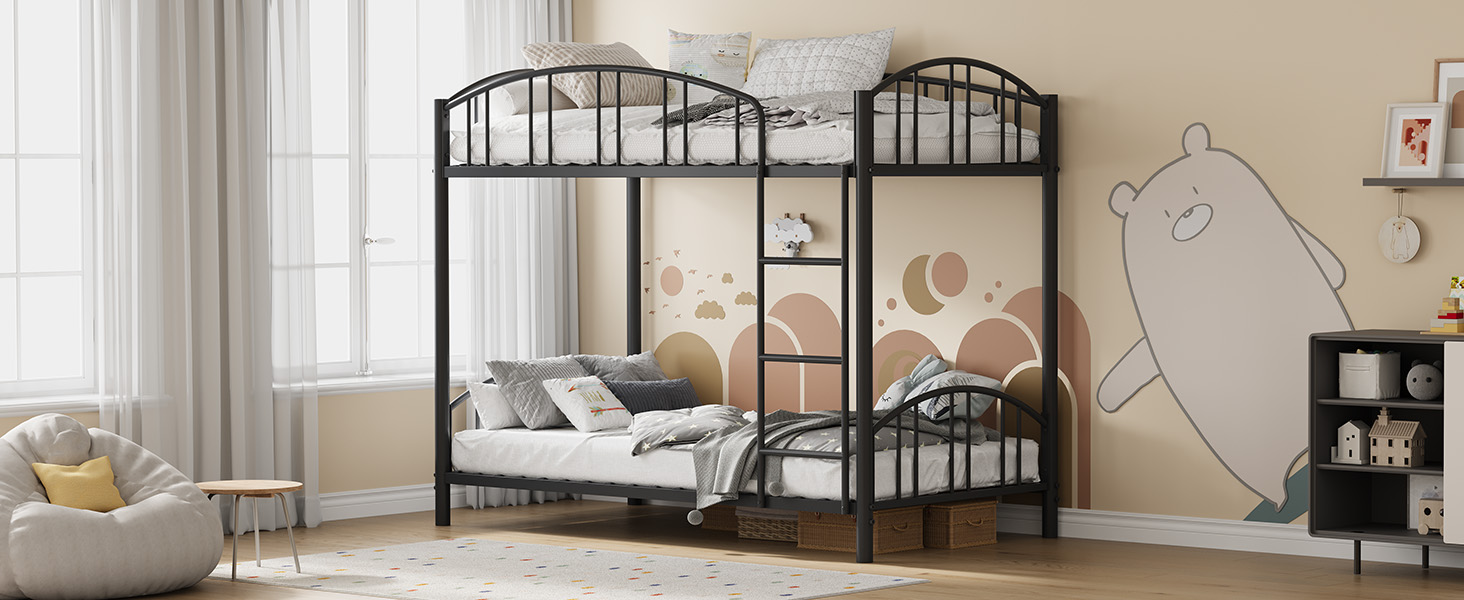
Maximizing Floor Space with Bunk Beds in Small Rooms
How Bunk Beds Eliminate the Need for Multiple Full-Sized Beds
According to the National Safety Council from 2023, bunk beds can save anywhere between half and three quarters of the floor space normally taken up by regular beds in small rooms. When we stack sleeping spots on top of each other instead of side by side, what used to be a single person's bedroom becomes a place where two people can sleep comfortably while still keeping room for toys, clothes, and all sorts of stuff kids need. For city dwellers living in apartments smaller than 500 square feet, this makes a huge difference. Two full size beds fit into the same area that would typically hold just one, which is why so many families in tight spaces opt for bunks these days.
Comparing Standard, Twin-Over-Twin, and Custom Bunk Configurations
Three primary configurations dominate small-space solutions:
| Type | Space Saved | Ideal Room Size |
|---|---|---|
| Standard Twin Bunk | 40% | 10'x10' |
| Twin-Over-Full | 35% | 12'x12' |
| Custom L-Shape | 55%+ | Irregular layouts |
The 2024 Footwear Materials Report shows custom designs increase usable floor space by 18% compared to stock models in rooms with sloped ceilings or bay windows, thanks to tailored fit and optimized clearance.
Measuring Room Dimensions to Ensure Optimal Fit and Clearance
Critical measurements for bunk bed success:
- Minimum 30" clearance between top bunk and ceiling
- 36" walkways on at least two sides
- 15—20" guardrail height
Designers at leading furniture manufacturers recommend 3D room mapping tools to visualize spatial relationships—a technique shown to reduce layout errors by 67% (Space Optimization Journal 2023).
Multi-Functional Bunk Bed Designs for Ultimate Space Efficiency
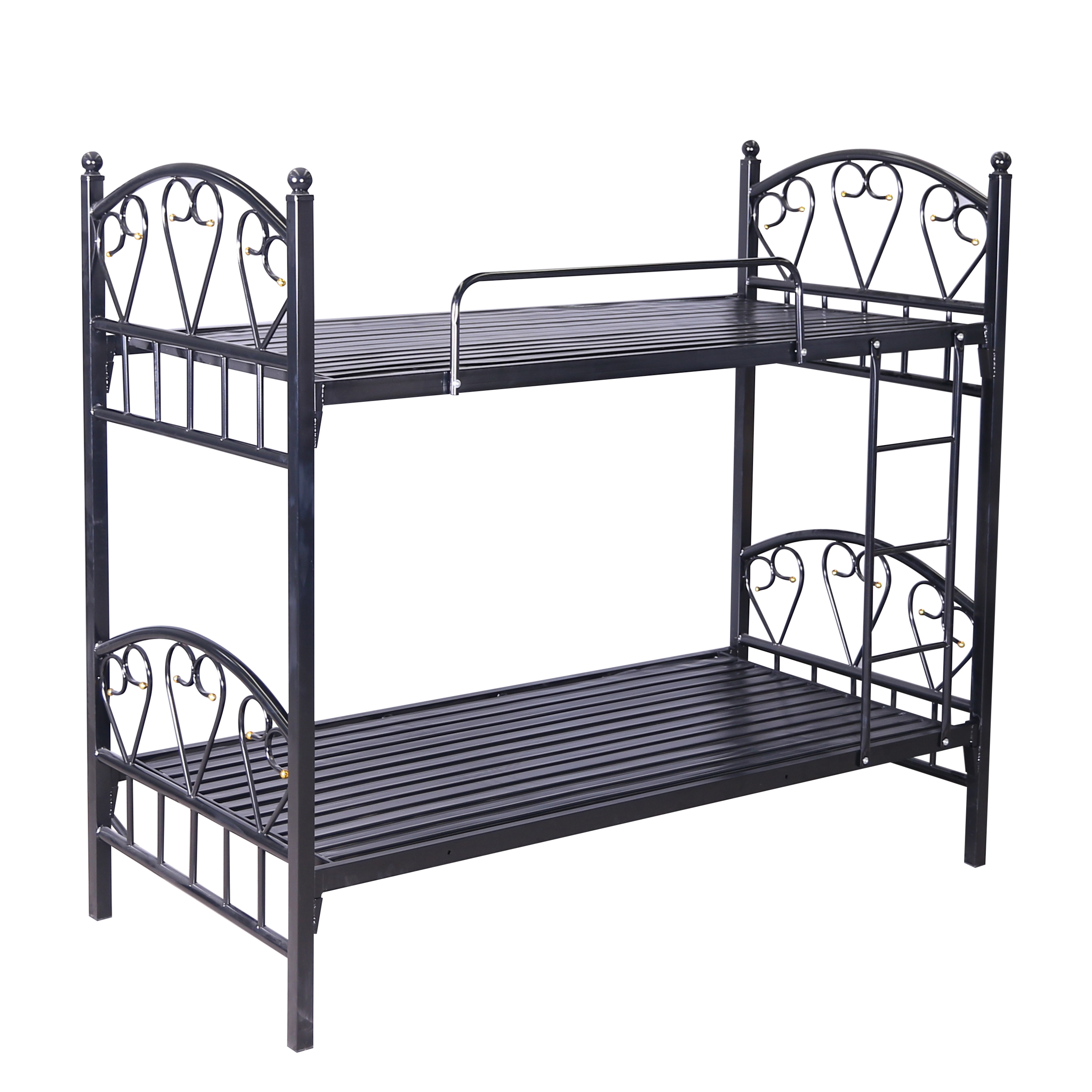
Modern manufacturers offer bunk beds that solve multiple spatial challenges simultaneously. These designs turn limited square footage into organized, activity-specific zones through smart engineering.
Bunk Beds with Built-In Storage: Drawers, Shelves, and Under-Bed Cubbies
Over 78% of parents in small homes prioritize storage-integrated furniture (Home Organization Trends Report 2024). Contemporary bunk beds meet this demand with:
- Pull-out drawers beneath lower bunks for seasonal clothing
- Staircase shelves replacing traditional ladders
- Side-mounted cubbies for bedtime essentials
Models Combining Bunk Beds with Desks, Study Nooks, or Wardrobes
Urban studios and shared children's rooms benefit most from hybrid units like:
| Feature | Space Saved | Added Functionality |
|---|---|---|
| Fold-down desk | 9—12 sq ft | Homework/remote work zone |
| Integrated wardrobe | 15—18 sq ft | Clothing storage |
| Retractable privacy screens | N/A | Personalization for shared spaces |
Clever Storage Solutions Around and Beneath Bunks for Small Spaces
Designers maximize every inch with:
- Magnetic panels between bed frames for artwork or schoolwork
- Wheeled storage bins that slide into bed-support structures
- Over-bed rails with hanging organizers
Innovative Convertible Units: From Sleep Zones to Work or Play Areas
The latest models feature:
- Lower bunks converting to daybeds via adjustable backrests
- Top bunk guardrails that unfold into activity tables
- Modular components that reconfigure for different life stages
Balancing Functionality and Safety in Multi-Use Bunk Bed Designs
While adding features, all models must meet ASTM safety standards for:
- Weight capacity (minimum 400 lbs per bunk)
- Guardrail height (≥5" above mattress)
- Slat spacing (≤3.5" gaps)
This multi-functional approach reduces furniture needs by 40—60% in typical small bedrooms while maintaining open floor areas for movement.
Flexible Bunk Bed Options for Evolving Room Needs
Lofted and Trundle Bunk Beds for Adaptable Sleeping Arrangements
When loft beds have around 72 inches of space underneath, they actually free up plenty of room on the floor below. Great spot for setting up a desk or adding some extra storage solutions. Some models come with trundle beds that slide out when needed, which basically doubles the number of people who can sleep in the same space without taking up any more room than before. Perfect for those times when unexpected guests show up or when parents need to accommodate multiple kids in one bedroom. According to recent studies from the Space Optimization Institute back in 2023, nearly two thirds of families these days look for furniture pieces that work well during regular days but also adapt easily when special circumstances arise.
Convertible Lower Bunks: Daybeds, Pull-Out Guests, or Play Zones
Innovative lower bunk conversions blend sleeping and living functions. A 2023 furniture industry report revealed that 41% of bunk beds sold include convertible components such as:
| Conversion Type | Space Saved | Common Applications |
|---|---|---|
| Daybed | 28 sq. ft. | Reading nooks, TV areas |
| Pull-out trundle | 15 sq. ft. | Overnight guests, siblings |
| Play platform | 22 sq. ft. | Toy storage, creative zones |
These flexible designs align with findings from the National Home Furnishings Association showing a 35% rise in multi-functional furniture demand since 2021.
Designing for Growth: Adapting Bunk Setups for Changing Family Needs
When thinking about long term solutions for kids bedrooms, bunk beds that grow along with the kids make a lot of sense. Most models come with removable safety rails meant for little ones between 2 and 6 years old, plus adjustable mattress heights and parts that can be swapped out or added later. This means one bed can actually last through all those growing phases from toddlers right up until teens. According to some research done last year on optimizing living spaces, households that invested in these flexible bunk beds saved around $740 each year on redecorating expenses instead of constantly buying new furniture every three to five years. Looking ahead makes financial sense without sacrificing what works now, something most interior design pros agree on. Recent polls show that about 8 out of 10 professionals back this kind of forward thinking approach when it comes to family bedroom setups.
Designing Around Bunk Beds: Layout Tips for Small Rooms
Using Bunk Beds as the Anchor for Space-Saving Furniture Layouts
When it comes to small bedrooms, putting bunk beds front and center really helps organize the space better. Placing them along the longest wall makes everything feel more balanced somehow, leaving about a third to almost half of the floor open for stuff like desks or storage solutions. For those top bunks, adding little built-in night tables or mounting some lights on the walls instead of buying separate furniture pieces works wonders. Not only does this save precious floor space, but it also looks nicer and reduces tripping hazards around the room. Most parents will tell you this setup just makes life easier in tight quarters.
Best Practices for Traffic Flow and Safety in Bunk-Centered Rooms
- Maintain 24"+ clearance around all bunk edges for safe movement
- Use low-profile storage bins under lower bunks instead of dressers
- Install recessed overhead lighting to avoid protruding fixtures
As urban living spaces shrink by 12% on average (National Housing Survey 2023), modular solutions like stackable storage cubes around bunk frames maximize accessibility while keeping walkways clear.
Modular and Scalable Arrangements for Long-Term Space Optimization
Opt for convertible bunk systems that adapt to changing needs:
- Detachable ladders that convert to shelves
- Trundle drawers that transition to toy chests
- Removable guardrails for teen-to-adult room transitions
This flexible approach future-proofs small bedrooms, with 78% of parents reporting reduced furniture replacement costs over five years (Home Organization Trends Report 2024).
Frequently Asked Questions
Are bunk beds safe for children?
Yes, bunk beds are generally safe for children, provided they meet ASTM safety standards which include weight capacity, guardrail height, and slat spacing compliance.
What are the key measurements to ensure a bunk bed fits in a room?
Critical measurements include a minimum of 30" clearance between the top bunk and the ceiling, 36" walkways on at least two sides, and a 15—20" guardrail height.
How do bunk beds save space?
Bunk beds save space by using vertical space to eliminate the need for additional beds, freeing up floor area for other uses in the room.
How can bunk beds be integrated into small room designs?
Position bunk beds against the longest wall to enhance spatial flow and pair them with vertical storage or additional furniture to create efficient activity zones.
Table of Contents
- Maximizing Floor Space with Bunk Beds in Small Rooms
-
Multi-Functional Bunk Bed Designs for Ultimate Space Efficiency
- Bunk Beds with Built-In Storage: Drawers, Shelves, and Under-Bed Cubbies
- Models Combining Bunk Beds with Desks, Study Nooks, or Wardrobes
- Clever Storage Solutions Around and Beneath Bunks for Small Spaces
- Innovative Convertible Units: From Sleep Zones to Work or Play Areas
- Balancing Functionality and Safety in Multi-Use Bunk Bed Designs
- Flexible Bunk Bed Options for Evolving Room Needs
- Designing Around Bunk Beds: Layout Tips for Small Rooms
- Frequently Asked Questions